

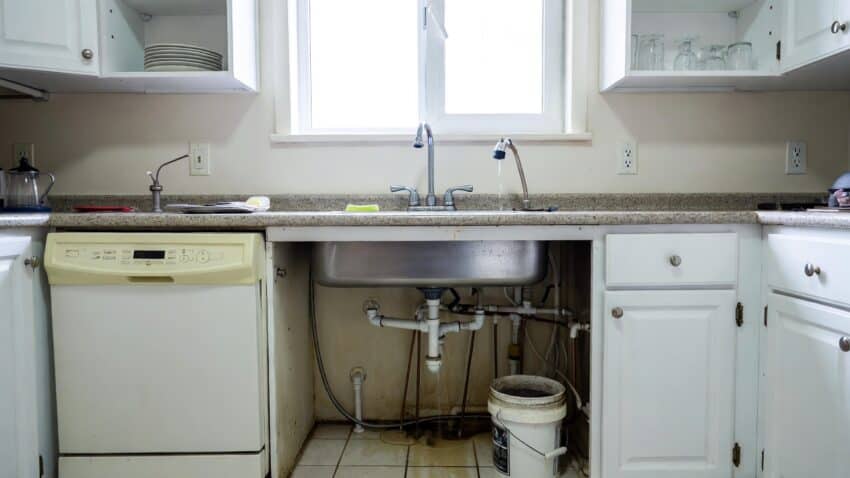
Your kitchen is the hub of many daily routines. When a faucet starts to drip or a drain slows to a trickle the disruption is immediate. Small plumbing problems can waste water create odors and cause frustration long before they lead to expensive repairs.
This article walks through the most common everyday kitchen plumbing problems and gives clear steps you can take right away plus guidance on when to get professional help. Each section includes practical tips examples and explanations so you can spot trouble early and deal with it effectively.
Leaky faucets and slow drips explained
A dripping faucet may seem minor but over time it can waste gallons of water and signal worn internal parts. The most frequent causes are worn washers corroded valve seats or damaged O rings. Older faucets that use rubber washers tend to fail in predictable ways while cartridge and ceramic disk faucets wear differently.
Quick checks you can do include tightening connections with a wrench looking for mineral buildup and observing whether the drip changes when you turn the handle slightly. If mineral deposits are visible soaking parts in vinegar can remove calcium and improve sealing. If the drip persists replacement of the cartridge or the valve seat is often required.
Clogged drains slow drainage and odors
Clogs are among the most common kitchen plumbing problems. Food scraps grease and coffee grounds are frequent culprits. Over time these materials adhere to pipe walls and form partial blockages that reduce flow and cause unpleasant smells.
Short term fixes you can try
- Use a plunger designed for sinks to dislodge trapped debris
- Remove and clean the P trap to clear accumulated food particles
- Flush with hot water mixed with a small amount of baking soda and vinegar followed by hot water to break up grease
When the clog is stubborn
If plunging and P trap cleaning do not restore flow the clog may be further down the line. A drain snake or auger can reach deeper blockages. Take care not to use chemical drain cleaners frequently since they can corrode pipes and damage seals.
Garbage disposal jams and electrical issues
Garbage disposals make many tasks easier but they also introduce a unique set of problems. Common issues include jams caused by bones fibrous vegetable peels or utensils and motor failure due to overload. A humming sound often indicates the motor is trying to run but the blades are stuck.
Safety first turn off power to the unit before attempting any intervention. Many disposals include a reset button on the underside and an opening where an Allen wrench can be used to manually rotate the impeller to free a jam. Avoid reaching into the disposal with your hand even when the unit is off.
Faucet handle stiffness and leaks at the base
Stiff handles or leaking at the base of the faucet usually point to wear in the cartridge or buildup of mineral deposits. In single handle faucets the cartridge controls flow and temperature so replacing the cartridge often solves both stiffness and leaking. For two handle setups check the stems and packing nuts for wear.
Replacing small components like O rings and seals is cost effective and will extend faucet life. Keep replacement parts matching the make and model of your fixture to avoid incompatibility and repeated repairs.
Low water pressure faucet and sink inconsistencies
Low water pressure at the sink can come from several sources. Aerators at the end of faucet spouts can collect debris and mineral scale restricting flow. Supply lines with partial blockages valves that are not fully open and municipal supply issues can also reduce pressure.
- Remove and clean the aerator regularly to restore flow
- Check shutoff valves under the sink to confirm they are fully open
- Inspect visible supply lines for kinks or damage
If pressure is low at multiple fixtures the issue may be in the main supply and will require a different approach than a single kitchen tap problem.
Pipe corrosion leaks and slow developing issues
Pipes that corrode can lead to hairline leaks that are hard to spot until damage has occurred. Copper galvanized steel and PVC each age differently and respond to water chemistry as well as to the surrounding environment. Look for green or white discoloration around joints metallic flakes in water and damp spots under cabinets.
Small leaks may be temporarily contained with pipe repair tape or a clamp but these are short term measures. Persistent problems with corrosion indicate a need to replace affected sections to prevent sudden failure and water damage.
Preventive measures to reduce repair frequency
A few regular habits limit many common kitchen plumbing problems. Routine checks and minor maintenance can save time and money and keep daily life on track.
- Run hot water after using the disposal to help clear grease
- Use strainers in sink drains to trap food particles
- Flush drains with hot water weekly to prevent buildup
- Inspect under sink cabinets monthly for early signs of moisture
- Replace worn faucet seals promptly to avoid wasted water
Keeping a basic toolkit that includes slip joint pliers a flathead screwdriver an adjustable wrench and a small drain snake will let you handle many simple fixes on the spot.
When to bring in professional help
Simple clogs and minor drips are often manageable at home. Complex leaks hidden inside walls recurring drainage problems and any situation that risks major water damage need professional attention. A trained plumber can diagnose hidden leaks test water pressure trace pipe corrosion and recommend targeted repairs that prevent repeat failures.
If you prefer to have a professional inspect your kitchen pipes for persistent trouble you can find local options that offer repair and replacement of fixtures and pipes. One convenient place to learn about local options is this link to local kitchen plumbing support kitchen plumbing services which outlines typical work and response times.
Signs that justify a service call
- Sudden drop in water pressure across several fixtures
- Water stains that grow despite temporary repairs
- Persistent clogs after multiple attempts to clear them
- Visible corrosion at multiple pipe joints
- Repeated trips to reset electrical components of disposals
What to expect from a professional visit
A professional will usually start with a visual inspection then run tests such as pressure checks and camera inspection of drains when needed. Estimates should include parts labor and time to complete the work. Ask about warranty on repairs and whether replacement materials come with any manufacturer coverage.
Small upgrades that reduce future problems
Minor investments can reduce the frequency of common plumbing problems. High quality faucet cartridges and ceramic disk valves resist wear longer than basic models. Flexible supply lines with stainless steel braiding are less likely to kink or burst than older rubber lines. Installing an access panel behind a sink can make future inspections and repairs much easier.
Consider replacing older galvanized piping that tends to clog internally with newer materials when you have related repairs. While replacement involves upfront cost it often reduces ongoing maintenance and can increase usable water pressure in older homes.
Everyday kitchen plumbing problems are predictable and manageable with a mix of routine maintenance careful use and timely professional help. Regular inspection and modest preventive steps cut the chance of messy emergencies and help stretch the life of fixtures and pipes. When problems go beyond basic fixes a trained plumber can locate hidden issues and make repairs that halt repeated trouble.
If you have a persistent leak an unpredictable drop in pressure or a disposal that will not run making a phone call sooner rather than later reduces the risk of water damage. Take a moment today to check aerators supply valves and under sink areas for early signs of trouble and plan service if you notice anything unusual.