

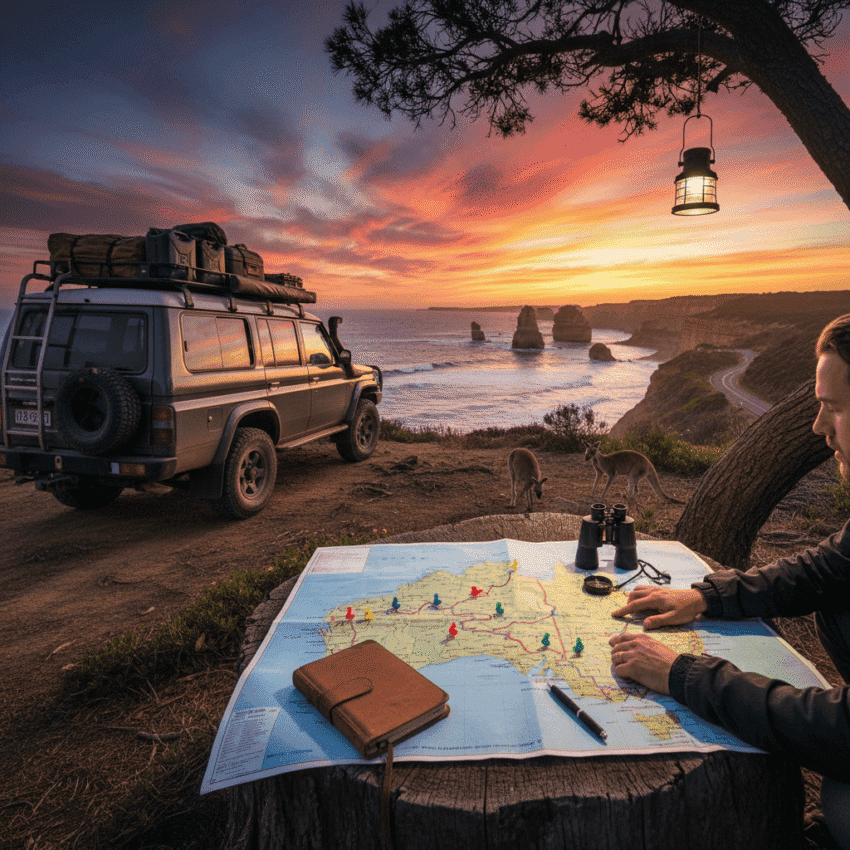
Planning an Australia road trip can feel like a huge task. The continent is vast and its landscapes are incredibly diverse. From sun-kissed beaches to rugged outback tracks, there is so much to see. I always say that a well-planned road trip is a journey of discovery. It lets you explore hidden gems and create lasting memories.
Many people dream of driving across Australia but worry about the details. They ask about costs or how to prepare for remote areas. I have driven many miles across this amazing country myself. I understand the challenges and the rewards.
I want to share the secrets I have learned. These practical tips will help you plan your own unforgettable adventure. Think of me as your guide for making sure your trip is smooth and exciting.
Choosing Your Australian Road Trip Path
Australia offers countless road trip paths, each with its own special appeal. Your choice depends on what kind of experience you are seeking. Some travelers dream of coastal drives with ocean views. Others want to tackle the dusty roads of the outback. We consider this the first big decision. It sets the whole tone for your adventure.
I always suggest people consider the time of year. Northern Australia has a wet season, which can cause road closures. The southern parts of the country can get very cold in winter. Matching your route to the best weather is a clever move. It makes sure you enjoy every moment.
Many news readers find useful information for their Australia road trip planning by looking at recent travel blogs and expert guides. This research often highlights current conditions and popular routes. It can also give you ideas for less-traveled paths that might fit your adventurous spirit.
East Coast Charm and Coastal Routes
The East Coast is perhaps the most famous choice for an Australian road trip. It offers a mix of vibrant cities, beautiful beaches, and national parks. Sydney with its iconic Opera House is a natural starting point for many. From there, you can drive north towards the Gold Coast and its lively atmosphere.
I find the East Coast particularly appealing because of the ease of access to amenities. You will find plenty of towns, fuel stops, and accommodation options along the way. This makes it a great choice for families or those on their first big Australian adventure. Famous spots like Fraser Island and the Whitsunday Islands are easily reachable too. You can also explore the Daintree Rainforest, which is truly ancient and beautiful.
The Great Ocean Road in Victoria is another iconic coastal drive. It is not on the East Coast but often linked with it in trip plans. This scenic route offers stunning views of rugged cliffs and the famous Twelve Apostles rock formations. It is a shorter drive, so it can be combined with other routes or enjoyed as a standalone trip. We often recommend allowing at least a few days to truly experience its beauty. It feels like stepping into a postcard.
The Rugged Beauty of Western Australia
Western Australia presents a completely different kind of road trip. It is wilder and more remote, appealing to those who seek solitude and raw natural beauty. The Kimberley region in the north is a prime example. Here, you will find ancient landscapes, gorges, and waterfalls. A four-wheel-drive vehicle is often a must for these paths.
I have explored parts of Western Australia and know that careful preparation is vital. Services are sparse and distances between towns can be vast. You need to carry extra fuel, water, and supplies. This part of Australia truly tests your preparedness. It also rewards you with incredible, untouched scenery that few people ever see.
The Ningaloo Reef on the central coast is another highlight. It is a stunning coral reef easily accessible from the shore. You can swim with whale sharks or just enjoy the clear waters. We always say this region offers an authentic Australian wilderness experience. It is for those ready to embrace the challenge and the quiet beauty of a remote land.
Budgeting for Your Australia Road Trip Adventure
An Australia road trip can be as cheap or expensive as you make it. Planning your budget early helps prevent financial stress later. I always consider the main costs: fuel, accommodation, food, and activities. Fuel prices can vary greatly across the country, especially in remote areas. This is a big part of the overall cost because Australia is huge.
Accommodation options range from free camping to luxury resorts. I find a mix often works best. You can save money by camping in national parks sometimes. Then treat yourself to a comfortable stay in a town every few nights. This balance helps to stretch your funds.
Food expenses are another area where you can control your budget. Cooking your own meals at campsites or holiday parks is much cheaper than eating out every day. I always pack a portable stove and cooler. This lets me prepare simple but hearty meals on the road. It also adds to the adventure. You feel more self-reliant.
Smart Spending on the Road
Being smart with your money on an Australian road trip involves a few key strategies. First, always fill your fuel tank when you see a town, even if it is not completely empty. Prices can jump dramatically in remote locations. Planning your fuel stops saves money and prevents a stressful situation.
Consider buying a national parks pass if you plan to visit many. It is often cheaper than paying entry fees at each park. I always check these passes online before I leave. They usually last for a year and cover multiple states. It feels like a smart investment for nature lovers.
Looking for free activities also helps. Many beautiful beaches, lookouts, and short walks cost nothing. We often seek out local markets for fresh produce. This supports local communities and keeps our food costs down. I also recommend checking for free camping apps and websites. They list places where you can stay without paying for a spot. These small choices really add up over a long trip.
Vehicle Selection and Maintenance for the Trip
Choosing the right vehicle for your Australia road trip is a critical step. A standard car works well for sealed roads and major highways. However, if you plan to explore the outback or remote national parks, a 4WD is essential. I learned this the hard way on my first outback trip. A regular car just does not cut it for rough terrain. It can leave you stranded.
Renting a vehicle is a popular option for many travelers. I always recommend getting comprehensive insurance with your rental. This protects you from unexpected costs if something happens. Some rental companies also offer unlimited kilometers. This is important for covering the vast distances in Australia. You do not want to worry about mileage limits.
Before any long trip, I make sure my vehicle is in top condition. This means checking the tires, oil, water, and brakes. A full service from a trusted mechanic is a good idea too. I also carry a basic repair kit. It includes things like jumper cables, a tire pressure gauge, and a wrench. Knowing how to do simple repairs can be a lifesaver in remote areas. Roadside assistance membership also provides peace of mind.
Essential Vehicle Checks Before Starting
A thorough check of your vehicle before you depart is non-negotiable for a long road trip. I always start with the tires. This includes the spare tire too. Make sure they are correctly inflated and have good tread. A flat tire in the middle of nowhere is no fun. Having a reliable jack and lug wrench is equally important.
I check all fluid levels: engine oil, coolant, brake fluid, and windscreen washer fluid. It is smart to carry extra bottles of oil and coolant, especially in hot conditions. Overheating is a real danger in the Australian summer. I also make sure all lights are working. This includes headlights, tail lights, and indicators. Visibility is key, especially on long stretches of highway or at dusk.
For outback travel, I add extra equipment. This includes an air compressor for adjusting tire pressure on different surfaces. I also pack a recovery kit with a tow strap and shackles. A spare fuel filter and fan belt can also save you from a breakdown far from help. These simple preparations go a long way in keeping you safe and moving forward.
Packing Right for the Australian Outback and Coast
Packing for an Australian road trip means preparing for a range of climates. You can go from scorching desert heat to cool mountain nights in a single day. I always pack layers of clothing. This lets me adapt easily to changing temperatures. Lightweight, breathable fabrics are best for hot days. A warm jacket is essential for evenings, even in summer. The desert nights can get surprisingly cold.
Sun protection is not just a suggestion, it is a must. I always carry a wide-brimmed hat, sunglasses, and high-SPF sunscreen. The Australian sun is incredibly strong. Staying hydrated is also very important. I bring multiple reusable water bottles or a large hydration pack. Access to clean drinking water can be limited in some areas. It is always wise to carry more water than you think you need.
For navigation, I rely on both digital and physical maps. GPS is great, but phone signal disappears in many remote areas. A good old-fashioned paper map can be a true hero. I also download offline maps to my phone. A portable power bank keeps all my devices charged. I do not want to lose my way because of a dead battery.
Road Trip Essentials List
Having the right gear makes a huge difference to your comfort and safety. Here is a list of what I consider vital for any extended Australian road trip:
- Sturdy hiking shoes for exploring national parks and trails
- Lightweight rain gear to stay dry during unexpected showers
- Sunscreen and hat with good sun protection
- First aid kit with bandages antiseptics and any personal medications
- Water bottles or hydration pack with a large capacity
- Portable power bank to charge phones and other electronics
- Offline maps downloaded to your devices and physical maps
- Camera and accessories for capturing the amazing landscapes
- Snacks and non-perishable food for stretches between towns
- Tire repair kit and a portable air compressor
- Basic toiletries and insect repellent
- Headlamp or flashlight with extra batteries
Safety Measures and Staying Connected on the Road
Safety should always be a top priority on an Australian road trip. Wildlife is abundant here, so driving carefully is very important. Kangaroos, emus, and other animals are often active at dawn and dusk. I try to avoid driving during these times in rural areas. If you must drive, stay vigilant and slow down. An unexpected animal on the road can cause serious accidents.
When traveling in remote regions, communication becomes a challenge. Mobile phone coverage is not always available. I recommend carrying a satellite phone or a personal locator beacon (PLB). These devices can be essential for emergencies when you are out of range. Sharing your itinerary with someone back home is also a smart move. Let them know your planned route and expected arrival times. This way, if you do not check in, someone can raise an alarm.
I always research potential hazards for my specific route. This includes checking for road closures due to weather or maintenance. The Australian Bureau of Meteorology provides up-to-date weather warnings. Local tourist information centers also offer current road conditions. Staying informed helps you avoid dangerous situations. It is always better to be safe than sorry on the open road.
Understanding Local Conditions
Australian weather can change very quickly. A sunny morning can turn into a torrential downpour by afternoon. I always check the forecast for the areas I plan to visit. Flash floods can affect unsealed roads and even some sealed ones. It is never safe to drive through floodwaters. We advise waiting for the water to subside.
During the summer months, bushfires are a significant concern. Fire danger ratings are issued daily. It is critical to be aware of these warnings and to follow evacuation orders. I keep an eye on local news and emergency service websites. Planning alternative routes can be helpful if fires affect your planned path. Being flexible and prioritizing safety is key.
Road conditions themselves can vary greatly. Some outback tracks are rough and corrugated. Others might be sandy or muddy depending on recent rain. Reducing your speed and being aware of other vehicles helps. Large road trains are common in remote areas. They require extra caution when passing. I always give them plenty of space and pull over if needed. These small actions help ensure a safe journey for everyone.
Capturing Memories and Reflecting on Your Journey
An Australia road trip offers countless opportunities to capture breathtaking memories. I love photography because it lets me relive those moments later. The light changes so dramatically across the landscapes. This means early mornings and late afternoons offer the best chances for stunning shots. I always pack a good camera and extra batteries. Sometimes I just use my phone. The beauty of Australia makes even simple photos amazing.
Beyond photos, I find journaling a rewarding way to remember my travels. Writing down thoughts, observations, and experiences adds depth to the memories. I often jot down funny encounters or unexpected detours. These small details become precious over time. It helps me process everything I see and do.
Sharing stories with others is also a big part of the experience. After a trip, I love telling friends and family about the places I visited. It is a way to pass on the excitement and inspire others. These stories keep the adventure alive long after I have returned home. Each conversation sparks new ideas for future travels. It is a continuous cycle of discovery.
Embarking on Your Australian Road Trip Dream
Planning an Australia road trip is an adventure in itself. We have discussed choosing the right path for your interests, whether it is the lively East Coast or the remote Western Australian outback. We covered the importance of budgeting for fuel accommodation and food, along with smart spending tips. We also highlighted how crucial vehicle selection and maintenance are, reminding you to check tires fluids and carry a repair kit. Packing smart with layers and sun protection helps you stay comfortable in diverse climates. Finally, we emphasized safety measures, from wildlife awareness to carrying communication devices and understanding local conditions.
These secrets are not about removing all spontaneity. They are about building a solid foundation. This foundation lets you truly enjoy the unexpected moments Australia offers. Every long stretch of road every quiet beach and every starry night contributes to a unique story. I encourage you to take these insights and start planning. Imagine yourself driving through diverse landscapes. Picture yourself meeting new people. Think about the feeling of freedom that only a road trip can provide.
So, do not let the vastness of Australia intimidate you. Embrace the planning process. Start envisioning your ultimate adventure. With careful preparation and an open heart, you too can discover the magic of an Australian road trip. Your champion’s journey awaits. Start your research today and turn that dream into a reality.